The House That Isn't Ours
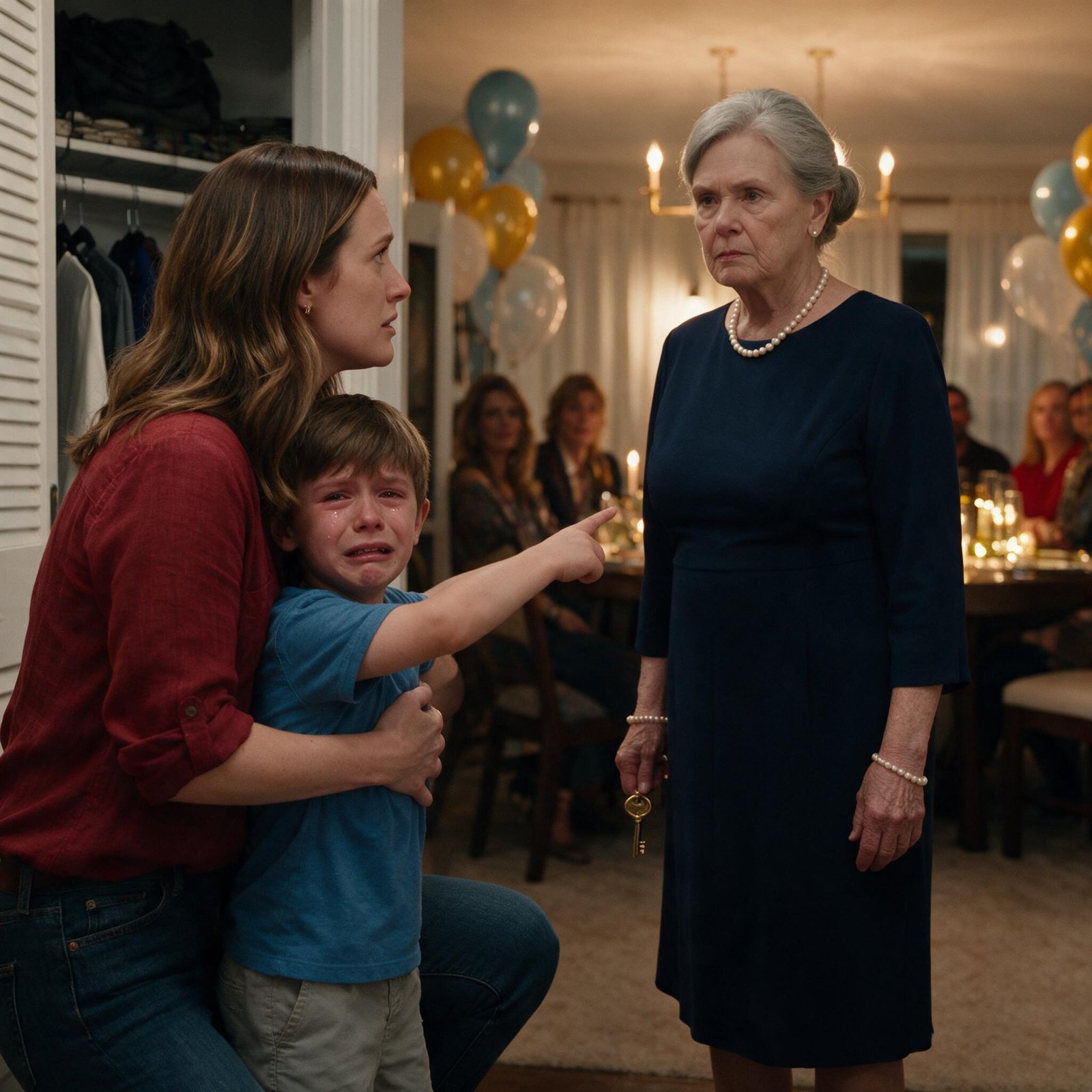
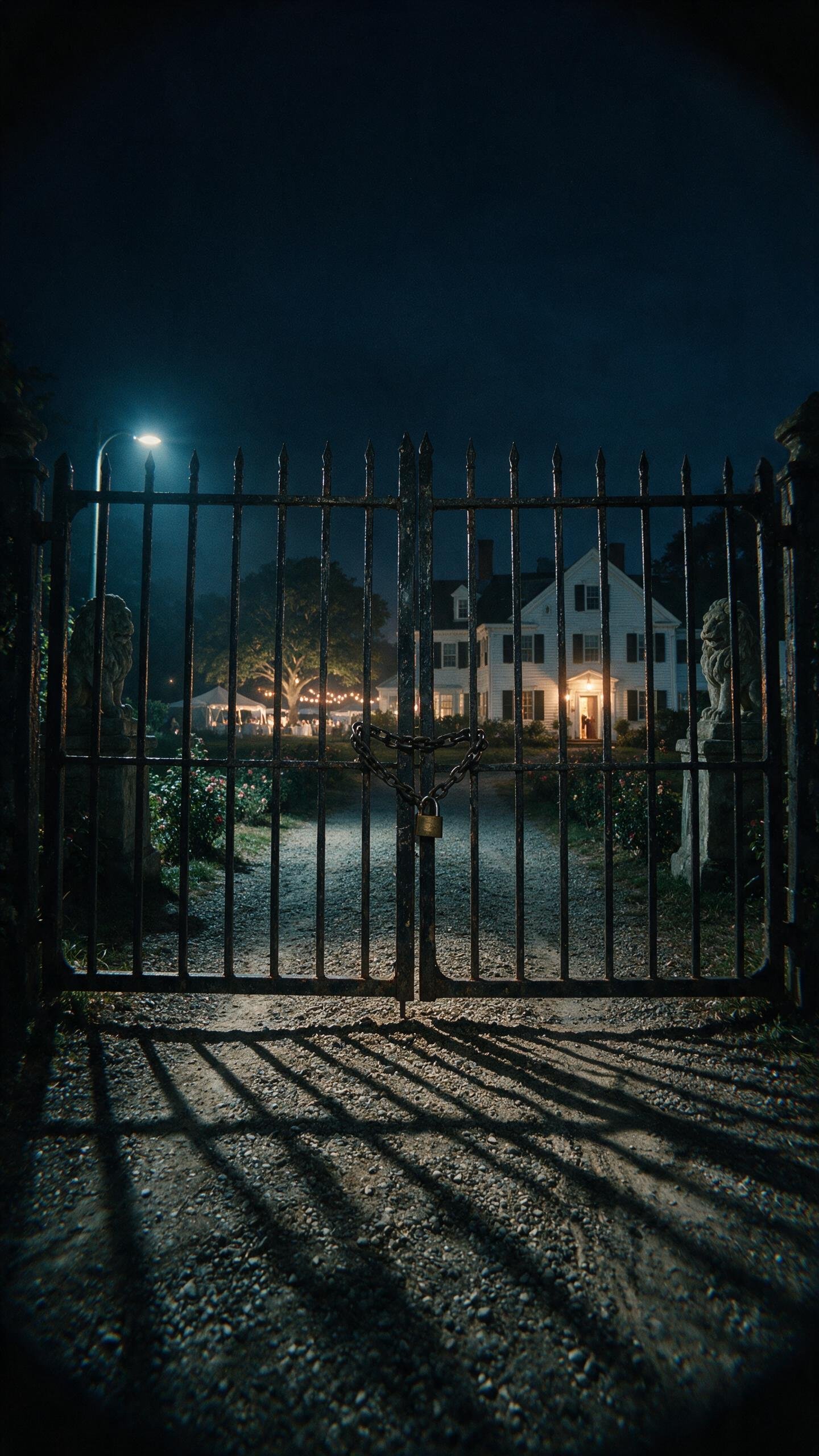
Rachel drove until the house was gone from the mirror, then pulled into the lot of a Comfort Inn off Route 9 and paid for a room with two beds.
Ava ate a vending-machine granola bar like it was a full meal. That told Rachel everything about dinner. She ran the shower warm, washed the basement off her daughter, and put both kids in the big bed. Eli wouldn't let the bathroom door be closed. Not even most of the way.
"Leave it open," he said. "Please."
She left every door in the room open. Then she sat on the other bed in the dark and let her hands finally shake.
Around midnight, Eli started talking. Not because she asked — because he couldn't sleep, and the dark was easier to talk into.
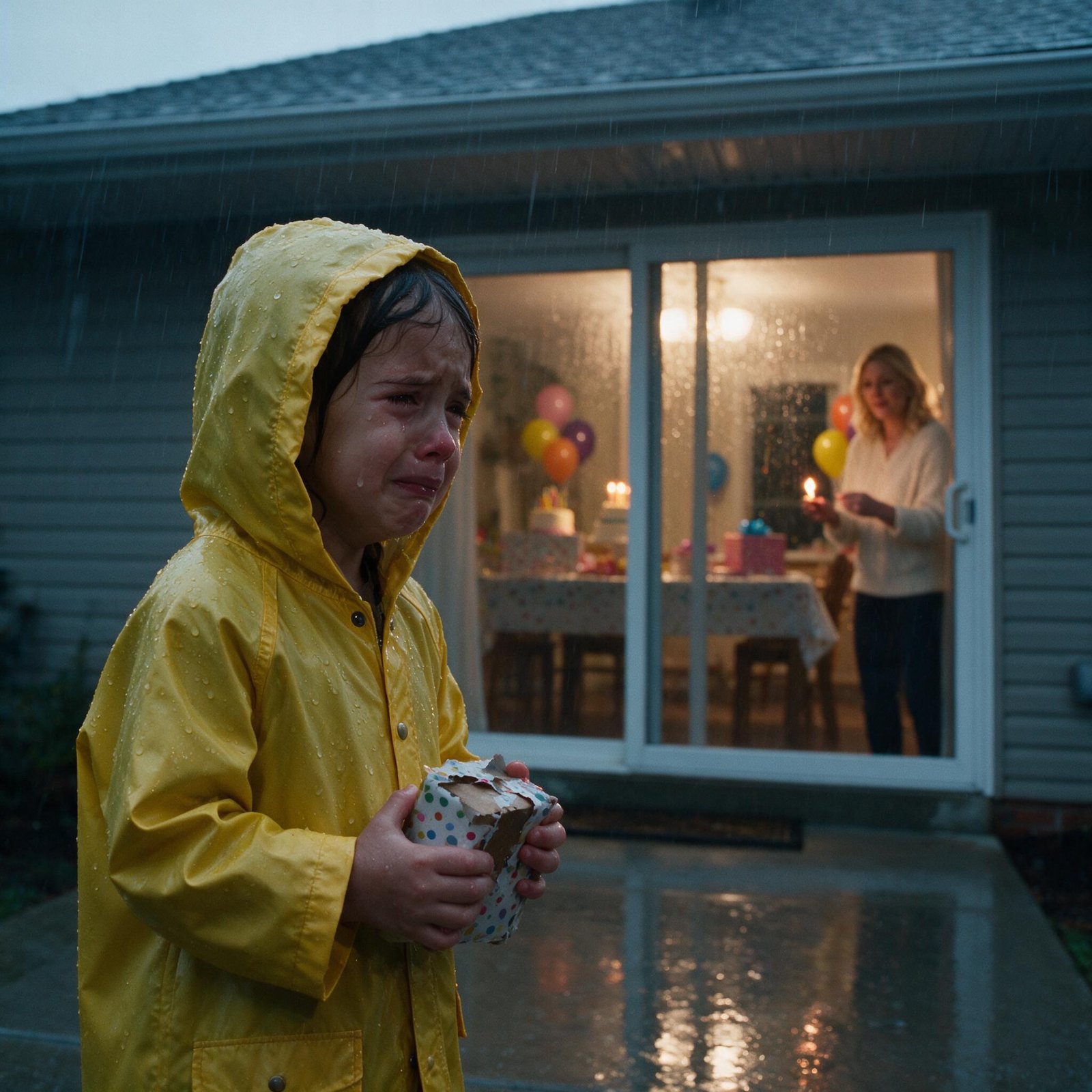
It had started at four o'clock, when the caterer came. Margaret had lined the two children up in the hall and told them the rules for the party: they were to be invisible. Seen at the toast, gone by dessert. Then the guests arrived, and Ava — five years old, in the party dress she loved — had spun in circles by the table and laughed too loud.
That was the whole crime. She laughed too loud.
Margaret had taken her by the wrist, marched her across the hall, and put her through the brown door. Eli heard the deadbolt from the dining room. He waited until the cake was cut, took a napkin, and hid a dinner roll and a slice of cake in it — for Ava, for later, for when he could get the key.
Margaret caught him at the basement door with cake in a napkin.
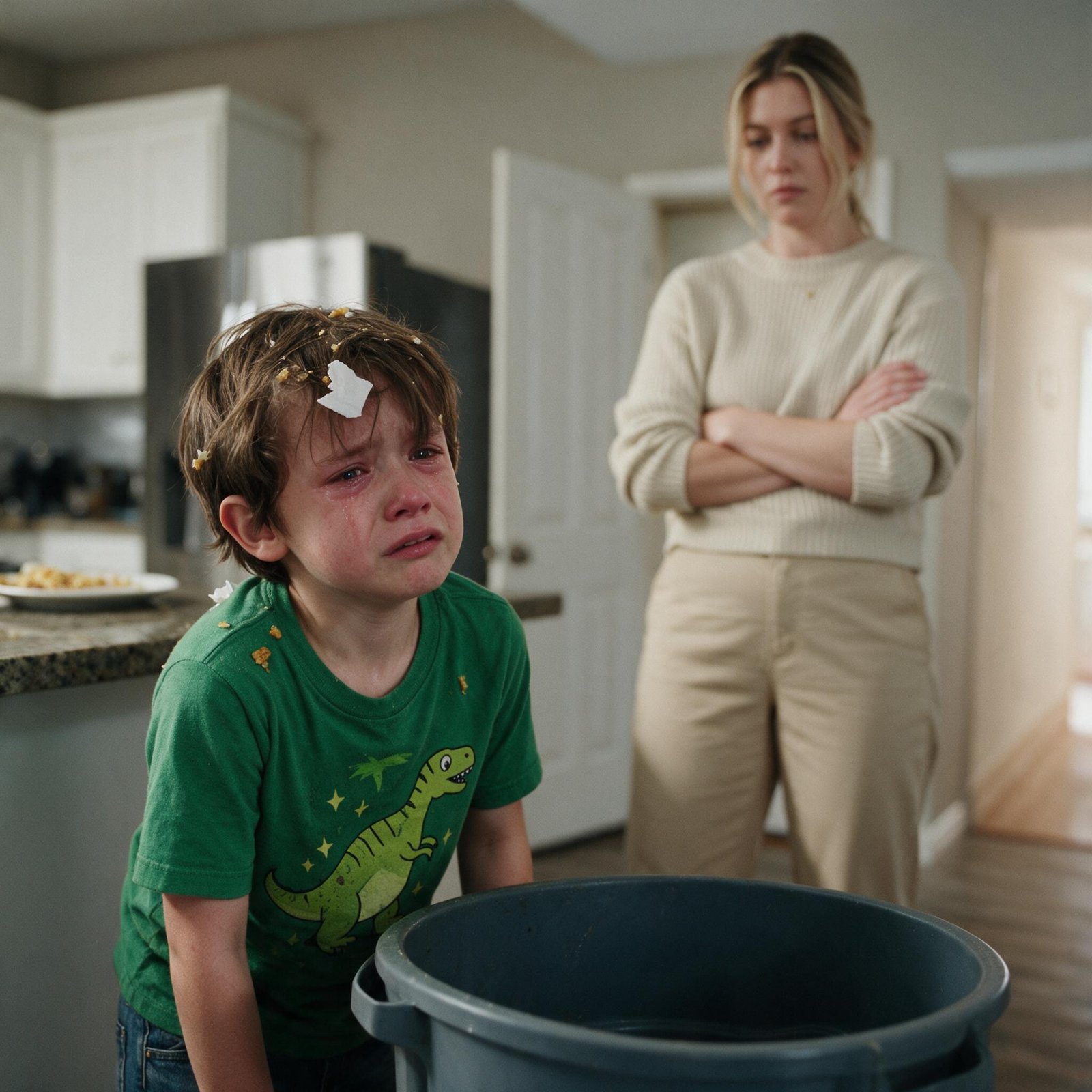
"She said stealing food is how it starts," Eli whispered. "Then she put me in the closet. She said I could come out when I remembered whose house I live in."
Whose house.
That was the part Rachel kept coming back to, lying awake at two in the morning while her children finally slept.
Because it was Margaret's house. All of it.
Eight months ago David had been laid off from Halston Machine after eleven years, three weeks before the medical bills from Ava's surgery came due. It was Margaret who appeared in their kitchen the next morning, already knowing somehow, with her checkbook and her solution: sell the townhouse, pay the bills, move into the big house on Fairview. Family takes care of family.
Rachel had said no. David had said it's temporary. David had won.
And Rachel had spent eight months noticing things and telling herself she was imagining them. The way the children got quiet when Margaret's car pulled in. The chart on the pantry door — infractions, Margaret called them, in her beautiful handwriting. The way Eli had stopped inviting friends over. The lock.
The deadbolt on the basement door was new. She'd noticed it the week they moved in, and Margaret had said the stairs are steep, it's for the children's safety, and Rachel had believed her, because it was easier, because they had nowhere else to go.
Her phone buzzed at 6:40 in the morning. David.
She took it into the bathroom and kept her voice low.
"Where are the kids?" he said.
"Asleep. Finally."
"You need to bring them home." His voice was flat, rehearsed, someone else's. "Mom's beside herself. You humiliated her in front of everyone. She's saying — look, she wants an apology before she'll even discuss you coming back."
Rachel looked at herself in the motel mirror.
"David. Your daughter was locked in a basement for three hours. In the dark. Alone. She's five."
"She wasn't hurt. Mom's old-school, you know that, she raised us the same way and we turned out—" He stopped himself.
"Turned out what?" Rachel said. "Finish it."
Silence on the line.
"What Ava said, on the porch," Rachel said. "About the dark room. About where you used to sleep."
"She's five. She makes things up."
"Then why do you sleep with the bedroom door open, David? Fourteen years. Every house we've lived in. Why can't you sit in a movie theater until the lights go down? Why did you go white as a sheet when you saw the key in her hand?"
The phone was so quiet she checked twice that the call was still connected.
"Bring my kids home," he said finally, and hung up.
Rachel stood there gripping the sink. Then the phone buzzed again — a number she hadn't seen in years. David's older sister. Claire. The sister who had left for college at seventeen and never come home, who sent the kids birthday cards from Vermont with no return address, who Margaret only ever mentioned with a tight little smile: Claire was always dramatic.
Rachel picked up.
"Carol from the garden club called me last night — the only one of my mother's friends who ever kept my number," Claire said. No hello. Her voice was very calm. Too calm. "She told me what happened. I'm already driving. I'll be there by noon."
"Claire—"
"Don't take the kids back to that house. Whatever he says. Whatever she offers." A breath. "And Rachel — before I get there, ask my brother about the basement. Ask him what's written on the wall behind the furnace."